
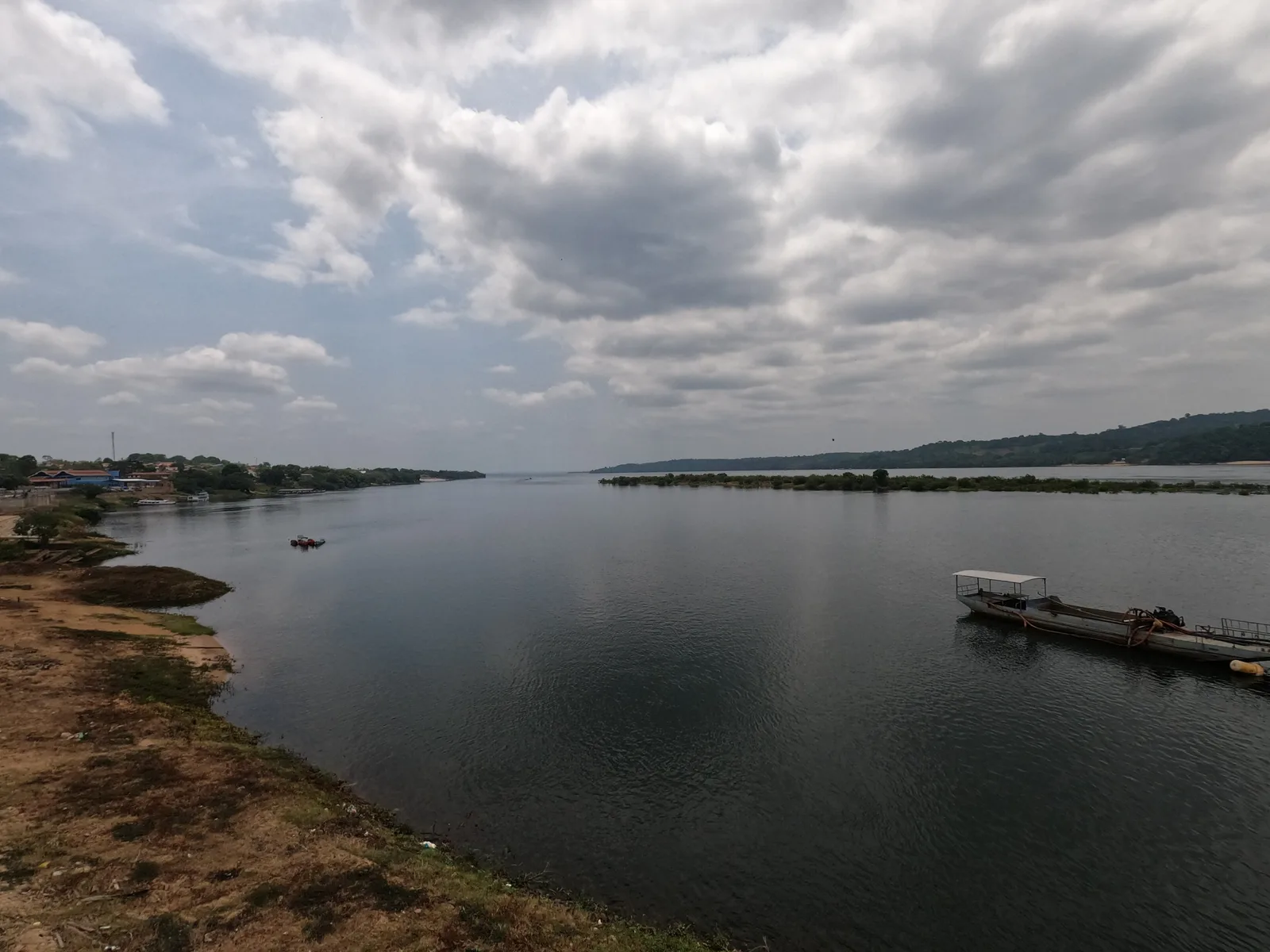
Lago do Tucuruí
Reservatório da UHE Tucuruí
In southeastern Pará, on the Tucuruí Hydroelectric Plant reservoir along the Tocantins River; Tucuruí is the main urban base for a visit.
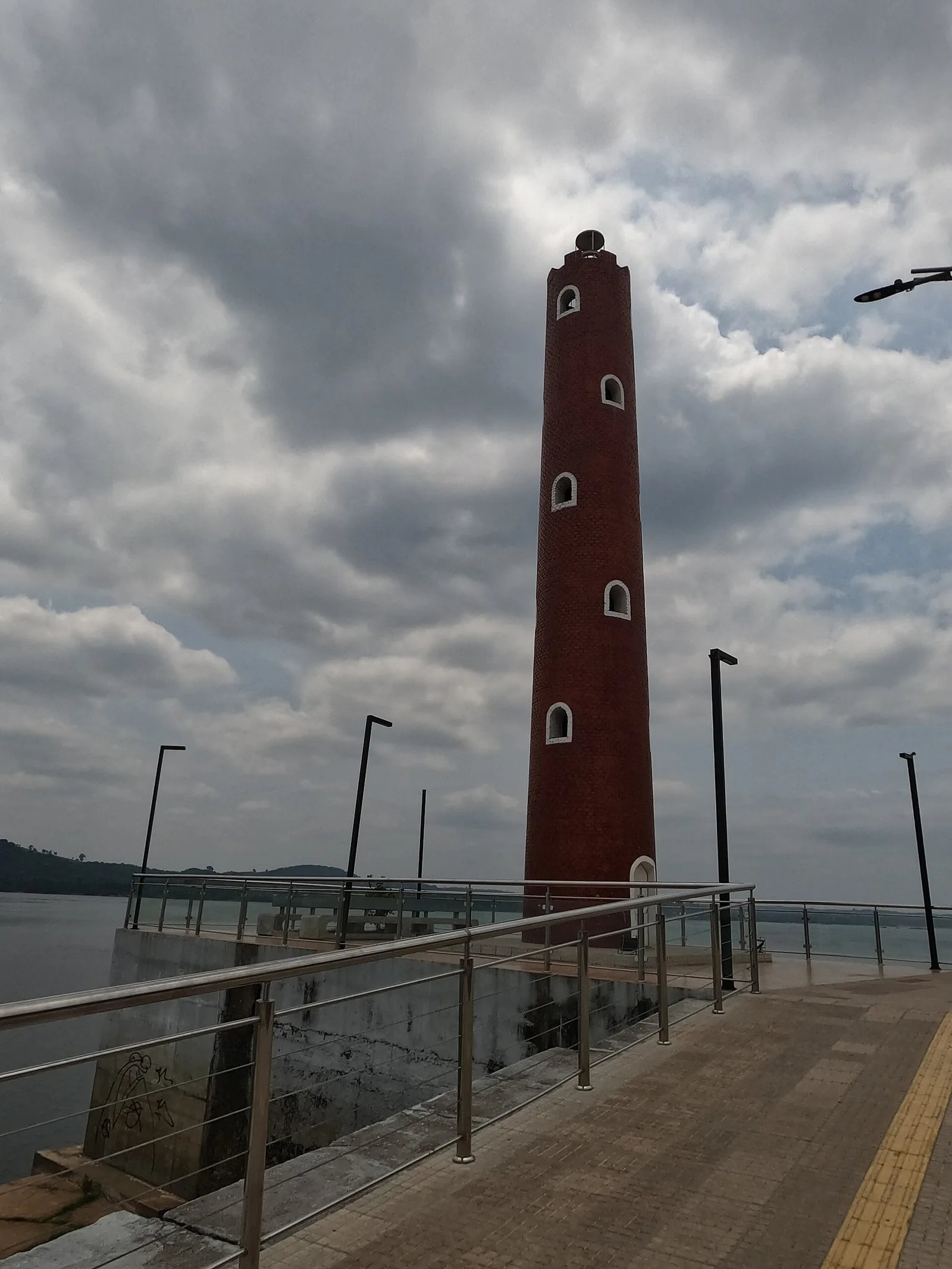
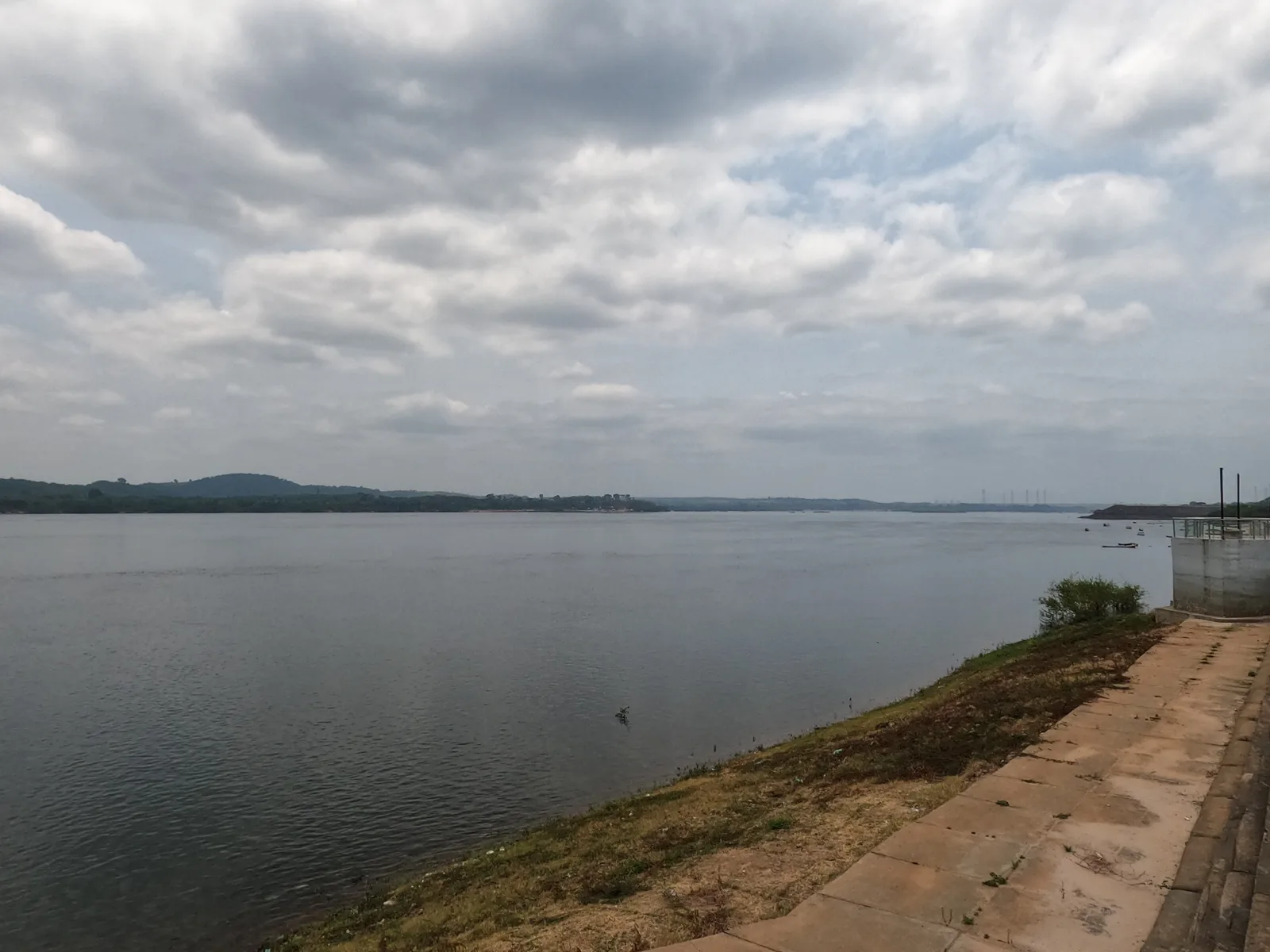
Lago do Tucuruí is the vast Tocantins River reservoir that brings together boating, islands, and freshwater recreation in southeastern Pará. Its landscape joins the scale of hydroelectric engineering with the everyday presence of riverine communities.
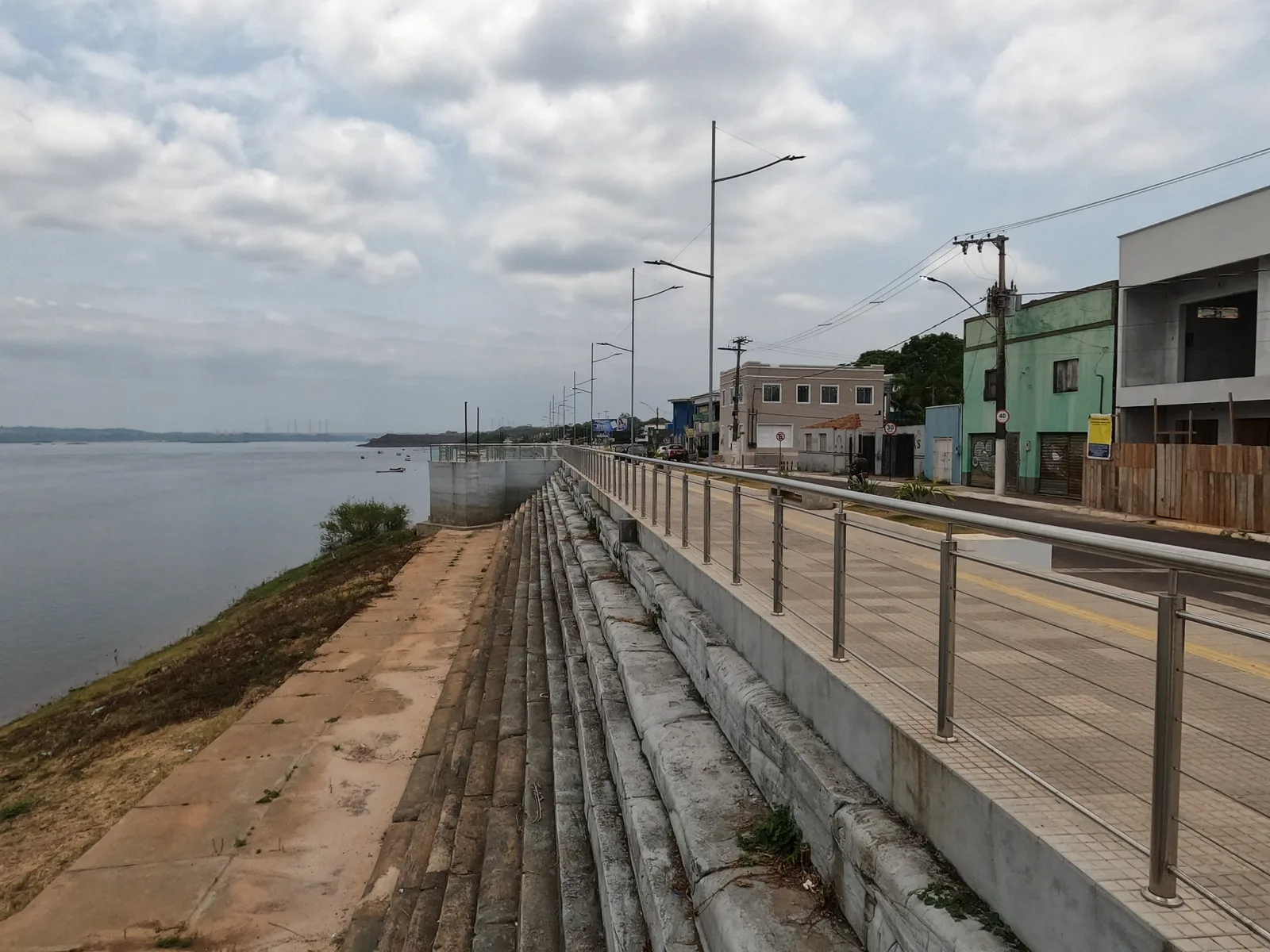
Between the city of Tucuruí and a broad inland archipelago, water turns former landforms into islands, coves, and paliteiros. The destination is explored through marinas, beaches that emerge in the dry season, and boat routes, with the dam as the visual landmark of a region protected by the APA Lago de Tucuruí, a state environmental protection area. The visit calls for planning: both the setting and navigation conditions vary with rainfall and the operation of the power system.
🤔 Why does it matter?
More than a place to swim, the lake reveals an Amazon of many uses: power generation, fishing, conservation, and riverine hospitality share the same territory. It is an unexpected gateway to seeing how the Tocantins shapes landscape, work, and leisure in Pará.
📍 What to see
- The reservoir's mosaic of islands and channels, seen from local boats.
- Paliteiros, submerged plant remnants that trace the lake's surface.
- The exterior of the Tucuruí Hydroelectric Plant and its lock, while respecting controlled-access areas.
- River beaches and sandbars that emerge during the less rainy season.
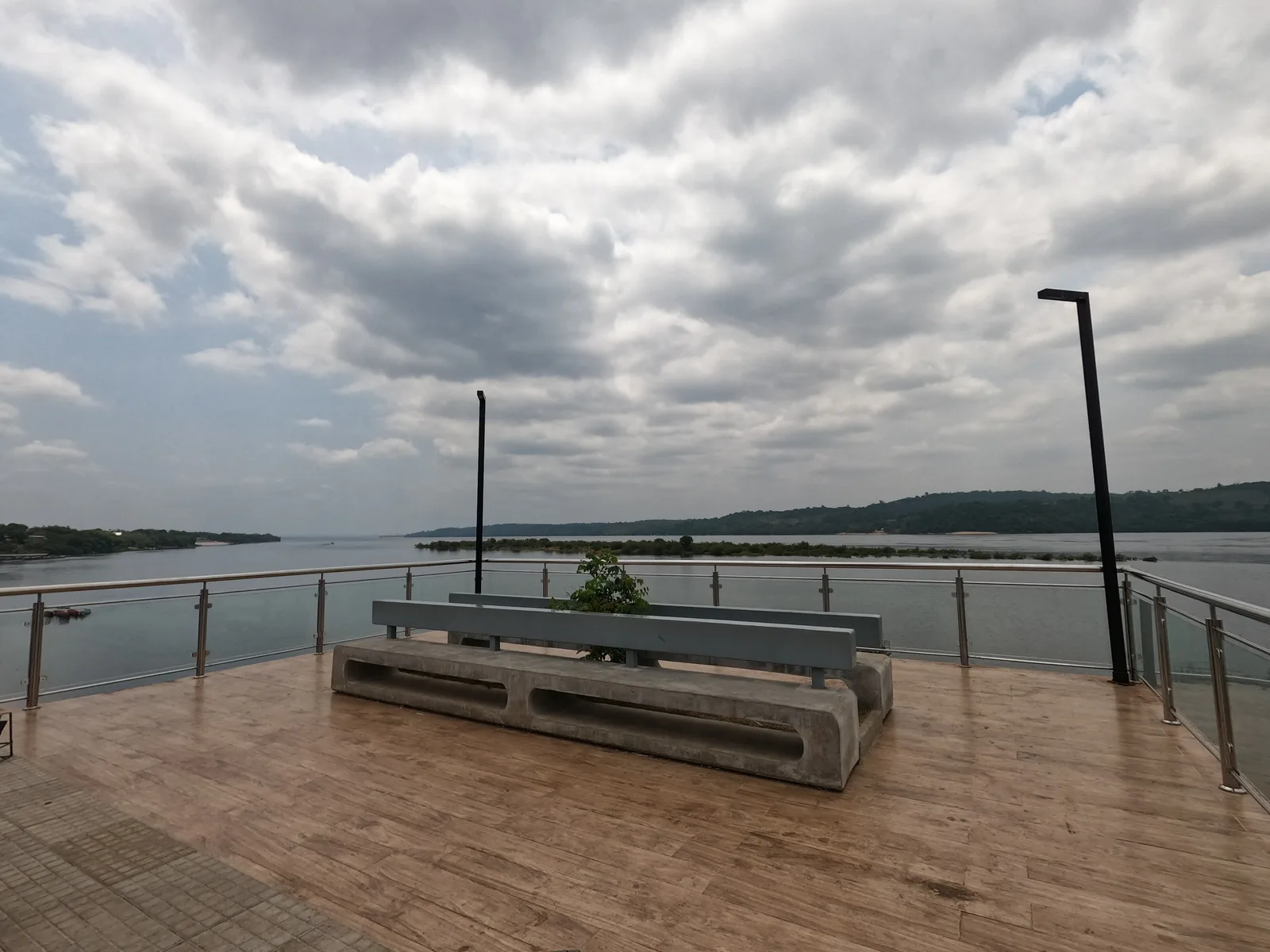
- Sunset over the Tocantins River and the region's moorings.
🎒 Things to do
- Hire a licensed boat operator to explore islands and coves.
- Spend the day on a river beach when access conditions are favorable.
- Practice sport fishing with operators who follow responsible management practices.
- Arrange a technical visit to the dam's interior only after a confirmed appointment.
- Attend local fishing tournaments when public programming is available.
✨ Recommended experiences
- A half-day route: leave Tucuruí early, take a scenic boat ride, and stop at a seasonal beach, returning before the hottest part of the day.
- A freshwater day: take a boat to an island with simple facilities, have a fish lunch, and return at sunset, always keeping an eye on the forecast.
- For fishers: arrange a full day with a local guide, suitable equipment, and catch-and-release practice where indicated.
- For travelers who value context: pair an exterior view of the plant with a conversation with regional operators about the lake, its fishing, and its seasonal variations.
🍽️ Local cuisine
🎶 Soundtrack
- Carimbó do Macaco — Mestre Verequete
- Eu Mereço Ser Feliz — Dona Onete
- Xirley — Gaby Amarantos
🎭 Local culture
🌿 Nature nearby
🌎 Biomes
🏞️ Natural features
🐾 Wildlife you may spot
🌱 Plants you may see
📅 Best time to visit
To make the most of river beaches and leisure boating, favor the less rainy period from May to September, while still confirming local conditions.
- ✅ Best time:
- May to September, the less rainy period indicated by APA management; July and August often favor the formation of natural beaches downstream.
- 🟡 Shoulder season:
- October and November, when plans should be adjusted to rainfall and water levels.
- 🔴 Less recommended:
- December through April for travelers seeking beaches and outings with a lower likelihood of rain.
- 📝 Notes:
- The lake can be visited year-round. Water level, wind, rain, and operational decisions influence navigation and access to sandbars.
🧭 Getting there
🏙️ Base city: Tucuruí
✈️ Airport: Tucuruí Regional Airport – Cláudio Furman (TUR)
- By air, use Tucuruí airport and confirm in advance the flight network available on your travel dates.
- By road, the journey from Belém to Tucuruí is approximately 450 km (280 mi) and may take about eight hours by intercity transport, according to APA management guidance.
- From Tucuruí, arrange the boarding point and itinerary with a local operator in advance.
🚗 Local transportation
- Travel across the lake requires a boat or speedboat operated by a licensed professional.
- Taxis, ride-hailing cars, and rental vehicles serve urban trips, with variable availability.
- Islands, beaches, and communities do not have uniform land access; confirm duration, return arrangements, and mooring conditions before departure.
ℹ️ Practical information
- 🏗️ Infrastructure:
- moderate, concentrated in Tucuruí and at specific visitor sites
- 🏨 Where to stay:
- Tucuruí has hotels and guesthouses; some islands may offer lodging or camping, subject to direct confirmation.
- 🍴 Food:
- The city has restaurants and markets; on islands and beaches, options may be seasonal or depend on arrangements with the operator.
- 🧭 Guides and agencies:
- Boating and sport-fishing operators are available in the region. Check licenses, vessel registration, life jackets, and cancellation policy.
- 📶 Internet and signal:
- Signal and connectivity tend to be more reliable in the urban area; they may fluctuate or disappear while boating and on distant islands.
- 💰 Estimated cost:
- Variable. Request a recent quote for water transportation, food, any day-use fee, and a guide, as no single official rate table was identified.
- 📝 Notes:
- Infrastructure is not uniform across the reservoir. Plan water, food, fuel, and your return time before leaving Tucuruí.
♿ Accessibility
Level: consult local operators
Not enough institutional information was found to classify accessibility at marinas, islands, and on boats. The experience depends on the boarding point, the type of boat, and water-level conditions.
- State your mobility needs before booking an outing and request an objective description of ramps, steps, piers, and restrooms.
- Keep in mind that loose sand, boarding small boats, and rustic docks may require additional support.
- Confirm that life jackets are available in an appropriate size and that the crew can assist with boarding.
⚠️ Safety
🚨 Real risks
- Changes in Tocantins River flow and water level, including over short periods, associated with power-system operations.
- Storms, lightning, and strong winds while boating.
- Submerged logs, paliteiros, shallow areas, and obstacles that require an experienced operator.
- Unauthorized access to operational sectors of the power plant and dam.
✅ Recommended care
- Wear a life jacket throughout the water journey.
- Travel only in a registered vessel with a licensed operator.
- Postpone or stop the outing if there is lightning, strong wind, or an operator warning.
- Observe signage, restricted areas, and local swimming guidance.
⛔ When to avoid: Avoid boarding during storms, lightning, strong winds, or when the operator reports an unsafe change in navigation conditions.
📝 Checklist — what to bring
- sunscreen and insect repellent
- a hat or cap and sunglasses with UV protection
- footwear that can get wet and has good grip
- drinking water and a snack for the expected time outside the city
- a dry bag for your phone, documents, and electronics
- identification, cash or a payment method, and the operator's contact saved offline
- a lightweight rain jacket and a change of clothes for longer outings
✈️ Travel tips
- Allow at least two days to accommodate travel, boating, and a favorable weather window.
- Prefer morning or late-afternoon departures, when the light is gentler and the heat is usually lower.
- Do not assume beaches will have formed: confirm access on the day of the outing.
- Agree on the meeting point, duration, maximum capacity, food, and return before paying.
- Take all waste back with you, and avoid feeding wildlife or collecting natural elements.
💡 Fun facts
- The protected region includes two Wildlife Protection Zones and more than 1,600 islands, totaling 30,217.48 hectares (74,669 acres).
- The Tucuruí Hydroelectric Plant spillway has a stated capacity of 110,000 cubic meters per second (3.9 million cubic feet per second).
- Part of the route of the former Tocantins Railway, decommissioned in 1973, was submerged as the reservoir formed.
🤔 Did you know?
- The APA Lago de Tucuruí is a sustainable-use conservation unit, with resident populations and public and private properties within its territory.
- Paliteiros are more than a photogenic landscape feature: state management links them to fish reproduction.
- Visits to the dam's interior are not unrestricted; availability depends on scheduling and operational rules.
📜 History and context
Construction of the Tucuruí Hydroelectric Plant began in November 1974, and operations were inaugurated in November 1984. Filling the reservoir radically transformed the Tocantins Valley, creating a vast reservoir and reshaping the relationship that cities, communities, and economic activities had with water. In 2002, the Lago de Tucuruí Environmental Protection Area was established as a state sustainable-use conservation unit.
🌍 Global importance
Tucuruí holds a significant place in Brazil's energy infrastructure: its plant is part of the Northern Subsystem of the National Interconnected System and has a nominal installed capacity of 8,535 MW. Beyond generation, its surroundings protect an Amazonian landscape where conservation, research, fishing production, and tourism need to be reconciled.
🗺️ Quick map (orientation)
📌 Main base: Tucuruí, where urban services, lodging, and some departure points are concentrated.
🧭 Landmarks
📍 Nearby places
Small discoveries
- PA
- A Brazilian state: Pará.
- Breu Branco
- A municipality on the lake's shores, linked to the timber sector and the power plant.
- Novo Repartimento
- A municipality created following the opening of the Trans-Amazonian Highway.
- UHE Tucuruí
- Tucuruí Hydroelectric Plant, one of Brazil's largest; operations began in the 1980s.
- UHE
- An operational area with controlled access; technical visits require authorization.
- Bacuri
- A fragrant Amazonian fruit with orange flesh, used in juices and sweets.
- Troncos submersos
- Submerged branches and trunks remaining from the flooded forest.
- Aeroporto de Tucuruí
- Tucuruí Regional Airport, IATA code TUR, with regional operations.
- PA-150
- A route connecting Belém with southeastern Pará; formerly PA-150.